Why You Should Download a Trading App That Matches Your Strategy, Not Just Your Device
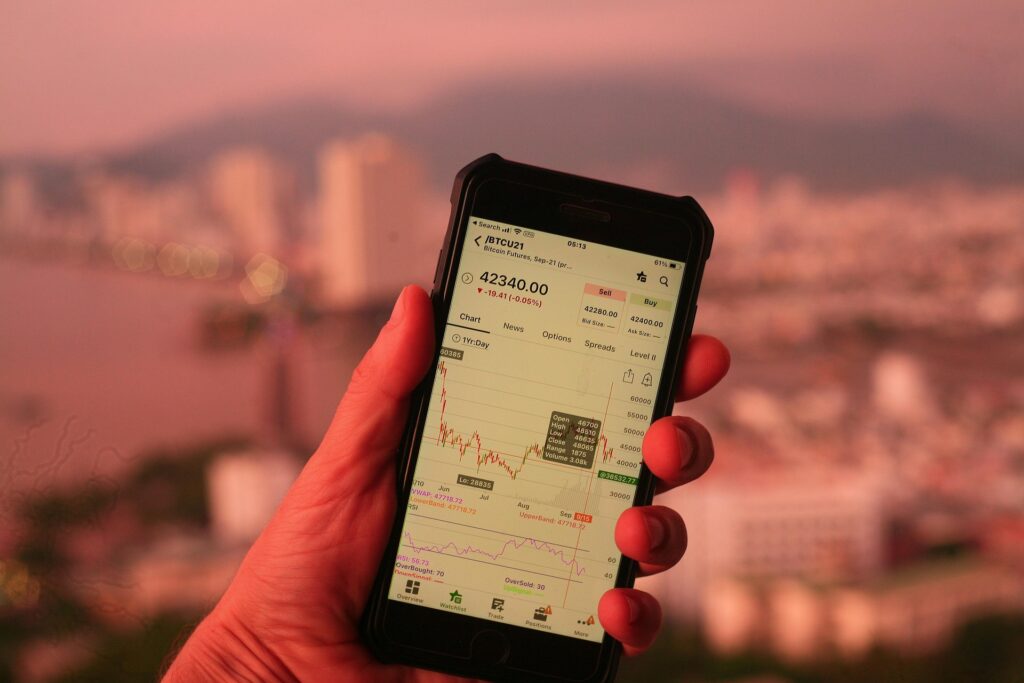
Not all trading apps are created equal. If you’ve ever tried running a detailed technical setup or adjusting risk mid-session from your phone, you already know that some platforms just aren’t built for that level of control. And yet, many traders still download the first app that works on their phone, without considering whether it suits the way they actually trade.
That decision can end up costing more than a missed opportunity. Poor charting, delayed data, or inflexible order types can introduce real risk. Which is why, if you’re serious about managing your capital with precision, it’s worth asking a different question from the start:
Does this app match your strategy, or just your screen size?
In 2025, where markets move faster and across more asset classes than ever before, the trading platform you carry in your pocket needs to support your decisions as clearly and confidently as a full terminal.
The Shift to Mobile-First Trading
Trading no longer happens in one place. For many investors, especially those managing their own portfolios while running businesses or working full-time, mobility is a key consideration.
This shift isn’t just about checking in. Many traders now initiate, monitor, and close trades from their mobile devices, switching between assets, time zones, and sessions with only a short window of screen time. So, the tools they rely on have to deliver clarity fast.
But that’s only possible if the app has been designed for it. A mobile trading platform that simply mirrors a desktop layout in a smaller frame won’t cut it. You need native functionality: tools that are built for mobile first, not just squeezed into it.
That means faster access to charts, instant execution, and seamless syncing between devices, so you’re not starting from scratch every time you switch screens.
Beyond Buy/Sell – What Trading Apps Should Actually Offer
At a minimum, a trading app for serious investors should support:
- Multi-timeframe, fully customisable charting
- A wide range of indicators and overlays
- Real-time price feeds, with no delay or lag during volatile moves
- One-click order execution, including stop and limit management
- Smart alert systems that work across mobile and desktop
- Access to multiple asset classes (forex, CFDs, indices, crypto, etc.)
These features enable traders to make informed decisions when time is short and precision is crucial. And with strategies becoming more data-led, including algorithmic triggers, event-based entries, or cross-market hedging, that level of control needs to be available even while you’re away from your desk.
Matching the App to Your Method
There’s no single “best” trading app. But there is a best fit for the way you trade. That’s what matters.
If you rely on technical analysis, look for apps that allow you to run proper setups, not just glance at a candlestick pattern. That means using multiple indicators, switching chart types, and zooming in without losing resolution. For momentum or breakout traders, this kind of visual clarity is critical.
If you use a multi-asset strategy, moving between forex, commodities, and indices, then platform breadth matters more. You need seamless switching, consistent charting tools across asset classes, and a watchlist that updates in real time, not minutes later.
And if you run multiple strategies or automate parts of your system, you need an app that supports cloud-based alerts and syncing. That lets you work on your desktop, monitor from your phone, and adjust without reconfiguring every time.
In short, your platform should reinforce your edge, not get in the way of it.
What Serious Mobile Trading Should Actually Look Like
For active investors using mobile platforms as their primary workspace, functionality matters more than design. You need charting tools that hold up under pressure, real-time alerts that sync properly, and execution that doesn’t slow down when markets get volatile.
That’s where structure and clarity beat out cluttered interfaces. Some apps now offer dozens of chart types, multiple indicators, and cloud-based syncing between devices, which makes switching from desktop to mobile frictionless.
One example is how ThinkMarkets approaches this in its mobile platform. Rather than overloading the screen, it gives traders tools that support real decision-making: sharp chart visuals, one-click order flow, and alerts that trigger across devices, not just where they were set.
That kind of environment helps support focus, so traders can act quickly, analyse cleanly, and stay on top of positions whether they’re at the desk or on the move.
The Danger of Underpowered Apps
Plenty of apps look polished but fail where it matters. Delayed price feeds, unreliable execution, or limited asset coverage can compromise your process, especially if you’re active across global sessions.
For example, if you trade news events, you need data updates the second they hit. Not 30 seconds later. If you work with limit orders, you need to trust that your orders will execute where you set them. And if you’re managing risk on open positions, your platform should let you modify or close in as few taps as possible. Failing to account for these things changes your outcomes.
Why Strategy Should Come First
When traders say they “need a better app,” what they usually mean is they need more control. That might be control over execution, over the information they see, or over how their platform responds under pressure. But at the core, it’s always about aligning your tools with your process.
So if your trading style relies on quick reactions, don’t settle for laggy charting. If you trade across asset types, don’t use an app that forces you to juggle platforms. And if your strategy depends on alerts, entries, or position management, your mobile setup needs to make that seamless.
When you download trading app tools that match how you operate, it’s a decision that affects risk, confidence, and consistency.
The Future Is Device-Agnostic Trading
One of the more exciting trends in fintech is the move toward truly device-agnostic platforms. This means traders can move between environments, desktop, tablet, and mobile, without disruption.
Watchlists, indicators, chart layouts, and even pending orders stay consistent. That level of continuity enables you to trade based on market context, rather than device limitations.
Apps that support this show how a mobile experience can actually enhance performance, not limit it. It’s not about replacing the desktop terminal. It’s about extending the full platform wherever you are. For modern traders, that’s become part of the edge.
Don’t Just Go Mobile. Go Smart.
The app you use to trade should match more than your phone model. It should match your thinking, your pace, your timing, and your preferred way of approaching the market.
In 2025, mobile is not a secondary channel. For many traders, it’s the primary interface. That makes it worth getting right.
So take a moment to evaluate the tools you’re using… Do they let you see what you need?… Act how you want?… Manage risk your way?
If the answer isn’t a confident yes, it might be time to rethink. Because downloading the right app is about reinforcing discipline, strategy, and control, wherever you trade from.